IV Curve Test for Solar Cells
IV Curve Test for Solar Cells
1. Fundamental Principles
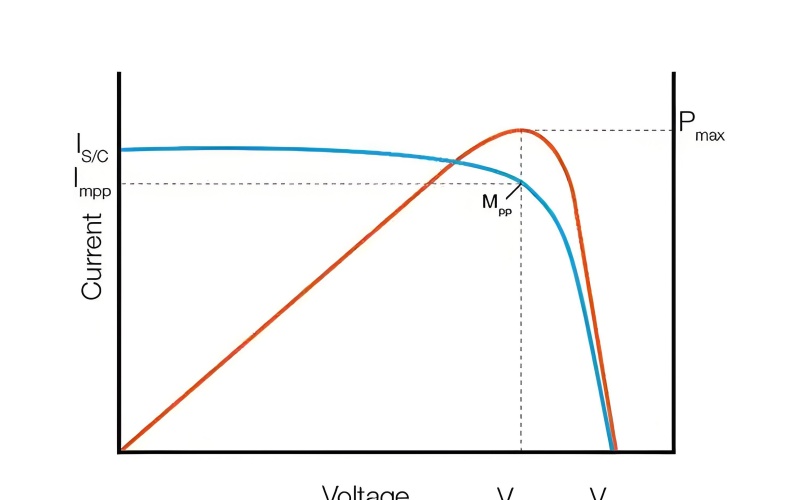
The IV curve test measures a solar cell's current output as a function of applied voltage under illumination, revealing its fundamental electrical characteristics. Modern curve tracers provide laboratory-grade measurements in compact setups, featuring:
· 500 nV/500 fA resolution for precise characterization
· Real-time control through intuitive interfaces
· Automated scanning with dynamic adjustment capabilities
2. Key Parameters and Their Significance
Parameter | Symbol | Typical Values | Physical Meaning |
Short-circuit current | I<sub>sc</sub> | 30-45 mA/cm² (Si) | Maximum photogenerated current |
Open-circuit voltage | V<sub>oc</sub> | 0.6-0.75 V (Si) | Maximum achievable voltage |
Maximum power point | MPP | (V<sub>mpp</sub>, I<sub>mpp</sub>) | Optimal operating point |
Fill factor | FF | 75-85% (good cells) | Quality indicator of junction |
3. Advanced Characterization Techniques
3.1 Transient IV Analysis
Captures dynamic performance under rapidly changing illumination, particularly important for perovskite and organic solar cells .
3.2 Light-Biased IV Measurements
Essential for evaluating:
· Carrier transport in heterojunction devices
· Interface recombination losses
· Space-charge effects
4. Industrial Applications
4.1 Manufacturing Quality Control
IV curve testing is mandatory in PV production for:
· Efficiency binning
· Shunt detection
· Interconnection quality verification
4.2 Field Performance Monitoring
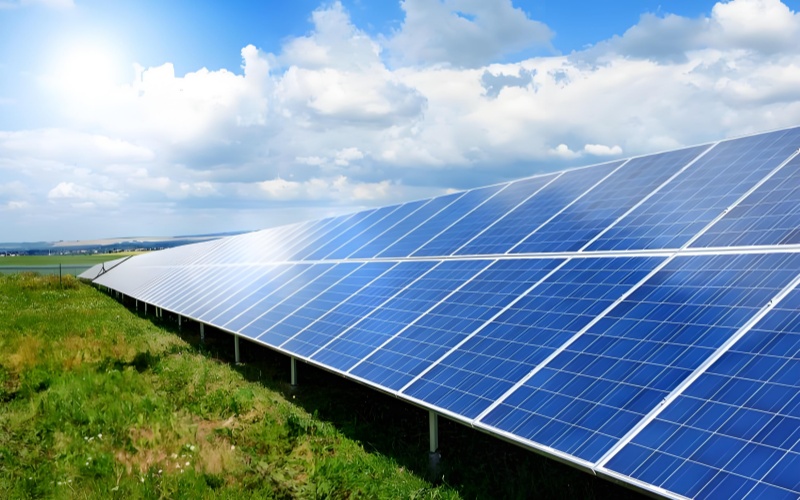
Large-scale solar farms utilize IV curve analysis for:
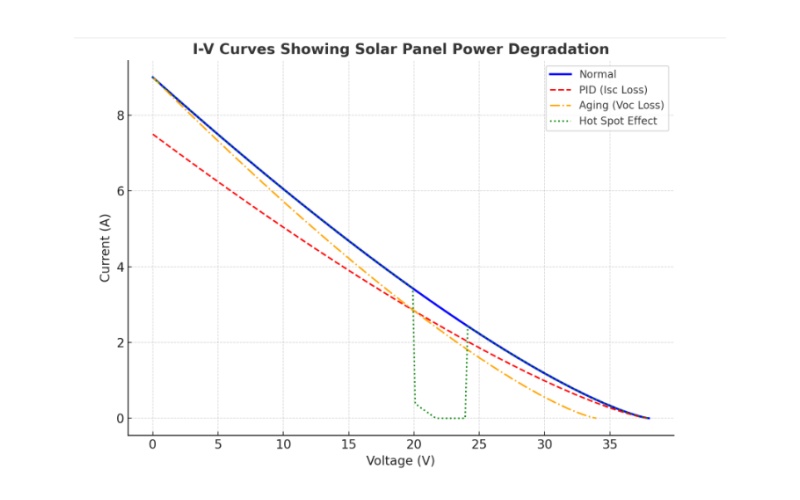
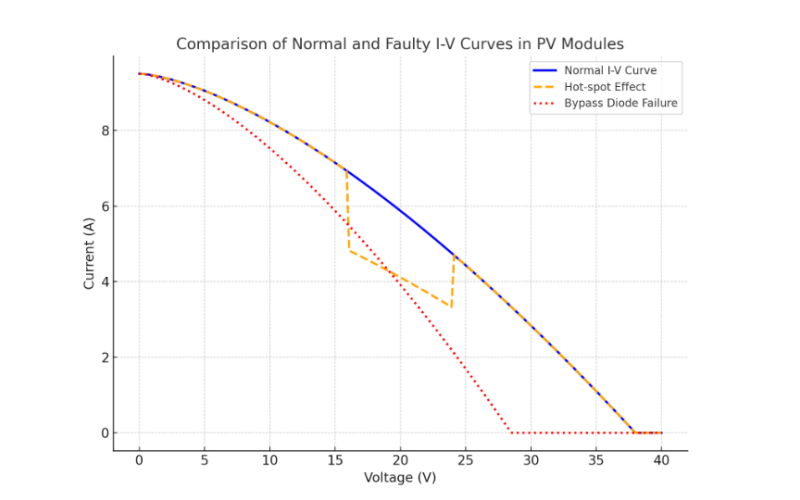
· Early fault detection
· Performance degradation tracking
· Warranty validation
5. Emerging Trends (2024-2025)
1. AI-powered diagnostics: Deep learning algorithms automatically classify IV curve anomalies
2. High-speed mapping: Combining IV testing with electroluminescence imaging for spatial resolution
3. Climate resilience testing: Correlating IV parameters with performance under extreme weather
4. Tandem cell characterization: Specialized protocols for perovskite/silicon tandem devices
6. Standardization Efforts
IEA-PVPS Task 13 is developing:
· Unified testing protocols for emerging technologies
· IV-based degradation analysis standards
· Benchmarking methodologies for different cell architectures
With global PV capacity projected to grow over 30% in 2025, IV curve testing remains indispensable for ensuring solar energy reliability and performance optimization across the industry value chain.