What is IV Analyzer?
What Is IV Analyzer?
Category | Description |
IV Analyzer Overview | Conventional IV analyzers (including current-voltage testers, IV measurement devices, and portable IV analyzers) operate based on direct electrical contact with the device under test. |
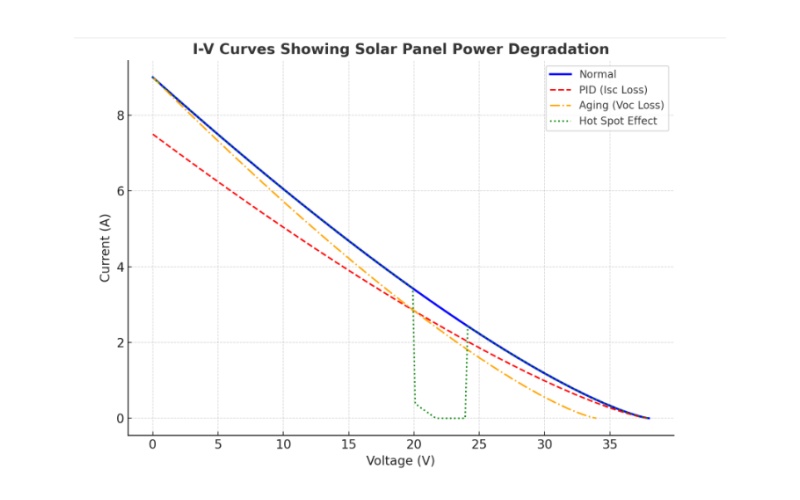
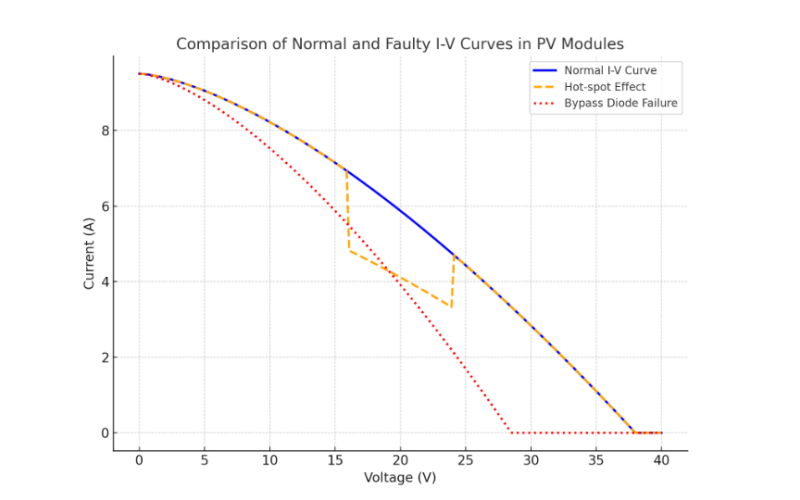
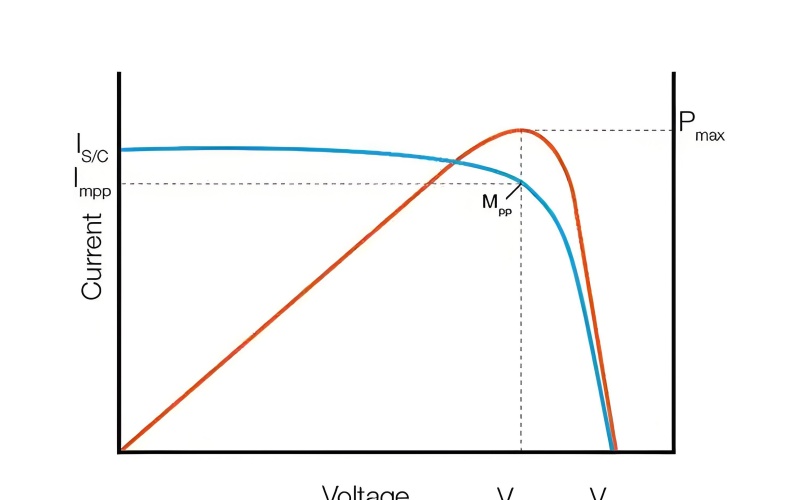
Working Principle & Features | The IV analyzer is based on semiconductor physics, measuring the current response of semiconductor devices under varying voltages to plot current-voltage (IV) curves. This reveals key electrical parameters such as conductivity, resistance, and capacitance, enabling performance and reliability evaluation. It offers high-precision measurement capabilities, utilizing advanced circuitry and algorithms to accurately capture minute currents and voltages. Its wide measurement range supports various semiconductor devices, from diodes to solar cells. |
Advantages of Portable IV Analyzers | Portable IV analyzers provide portability, high-precision measurement, multi-functional integration, and ease of operation. They are lightweight and compact, enabling on-site testing. Advanced circuit design and high-accuracy sensors ensure reliable measurements, while auto-calibration eliminates systematic errors. These analyzers integrate multiple test functions (e.g., resistivity, Hall effect) into a single device, reducing costs. User-friendly interfaces and detailed manuals facilitate quick adoption. |
IV Analyzer in Photovoltaics | In photovoltaics (PV), the IV analyzer is indispensable for evaluating PV module performance and troubleshooting. It measures open-circuit voltage (Voc), short-circuit current (Isc), and maximum power point (MPP), assessing conversion efficiency and fill factor. This supports PV module R&D, production, and quality control. |