What Can a PV Module Tester Detect? Comprehensive Inspection Capabilities Explained
What Can a PV Module Tester Detect? Comprehensive Inspection Capabilities Explained
PV Module Testing Categories Classification Table
Testing Category | Test Item | Testing Method/Equipment | Purpose |
Visual Inspection | Surface defect inspection | High-resolution industrial camera/visual check | Identify surface defects like cracks, scratches, stains |
Color uniformity check | Spectrometer | Detect color unevenness or shadowing issues | |
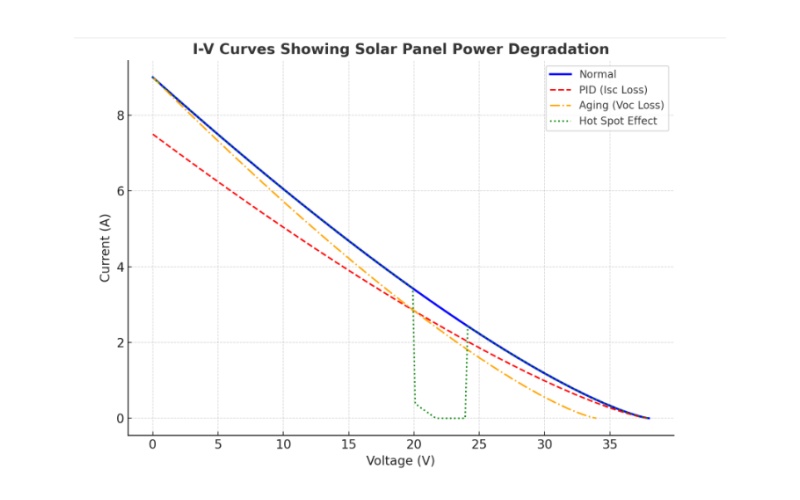
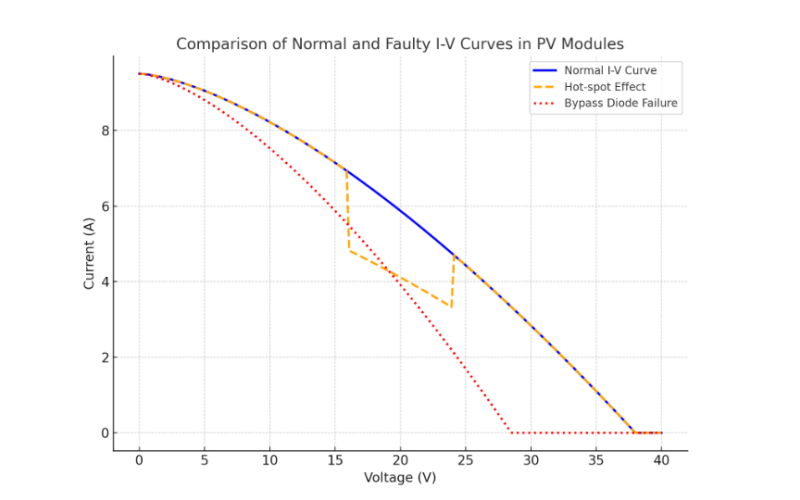
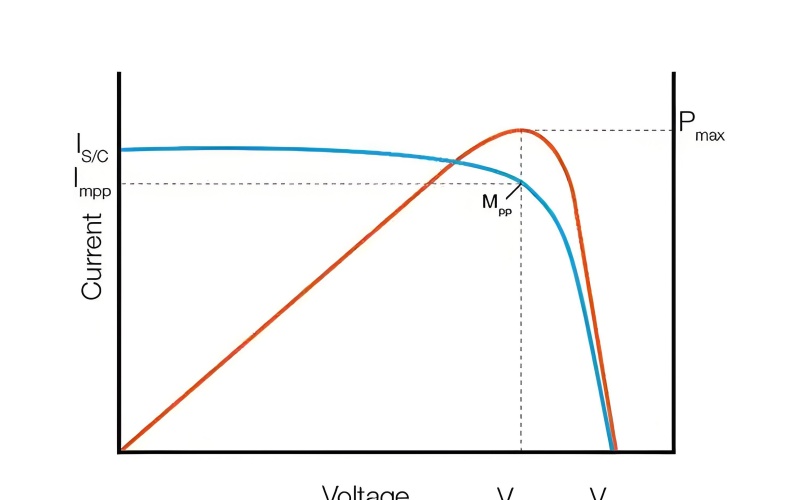
Electrical Performance | I-V characteristic curve | IV tester/solar simulator | Measure key parameters: Voc, Isc, Pmax etc. |
Insulation resistance test | Insulation resistance tester | Evaluate insulation performance in humid environments | |
Environmental Reliability | Thermal cycling test | Environmental test chamber | Verify stability under temperature changes (-40℃~85℃) |
Mechanical strength test | Compression/wind load tester | Evaluate compression (5400Pa) and wind resistance | |
Salt spray corrosion test | Salt spray chamber | Test corrosion resistance for coastal/saline environments (96h test) | |
UV resistance test | UV aging chamber | Assess long-term UV exposure effects (1000h ≈ 25 years) | |
Internal Defect Detection | Electroluminescence (EL) | EL tester (CCD camera + constant current source) | Identify internal defects: micro-cracks (20μm), broken fingers, poor soldering |
Photoluminescence (PL) | PL system (laser excitation) | Detect cracks and process contamination in TOPCon/HJT cells | |
Safety Performance | Fire rating test | Combustion test equipment | Determine combustion characteristics (Class A highest) |
Wet leakage current test | Humid environment test system | Evaluate safety performance in wet conditions | |
Lightning protection test | Lightning surge simulator | Verify lightning protection capability (6kV surge test) | |
System Performance | MPPT efficiency test | PV system analyzer | Evaluate inverter tracking efficiency (>99%) |
Energy conversion efficiency | Power analyzer | Measure overall system efficiency (modules 15-22% + inverters 96-99%) | |
Voltage fluctuation test | Grid simulator | Test stability during grid fluctuations |
PV Module Key Testing Technologies Comparison
Testing Technology Hierarchy (from surface to in-depth analysis):
┌──────────────────────────────┐
│ System Performance Tests │ System-level evaluation
├──────────────────────────────┤
│ Safety Performance Tests │ Safety certification basis
├──────────────────────────────┤
│ Internal Defect Detection (EL/PL) │ Micro-defect analysis
├──────────────────────────────┤
│ Environmental Reliability Tests │ Long-term performance validation
├──────────────────────────────┤
│ Electrical Performance Tests │ Basic performance assessment
└──────────────────────────────┘
Detection Capability Comparison Table
Defect Type | EL Testing | PL Testing | IR Imaging | Visual Inspection |
Micro-cracks | ✓✓✓ | ✓✓✓ | ✓ | × |
Broken fingers | ✓✓✓ | ✓ | × | × |
Poor soldering | ✓✓ | × | △ | × |
PID effect | ✓✓ | × | △ | × |
Contamination | ✓ | ✓✓✓ | × | ✓✓ |
Legend: ✓✓✓ = Excellent detection ✓✓ = Good detection ✓ = Basic detection △ = Limited detection × = Not detectable