Solar Panel Quality Assessment: From Visual Inspection to Advanced EL Testing
Solar Panel Quality Assessment: From Visual Inspection to Advanced EL Testing
A Practical Guide for Industry Professionals
Introduction
As core components of photovoltaic systems, solar panel quality directly dictates plant performance. Industry studies reveal that undetected defects like microcracks or cell fragmentation can cause up to 20% power loss. This guide synthesizes field-tested methodologies for quality verification—accessible even without specialized tools—while highlighting cutting-edge solutions.
Section 1: Critical Quality Challenges
Real-World Failure Scenarios
Case A: Pre-installation inspection of 330W/250W panels revealed hidden microcracks and cell defects in 12% of "visually flawless" modules.
Case B: Underperforming post-installation plants passed standard electrical tests but showed 18% lower peak output due to undiagnosed internal fractures.
Key Insight: Transport/installation-induced defects account for over 15% of field failures, often invisible during routine checks.
Section 2: Quality Verification Techniques
A. Accessible Field Inspection (Non-Specialist)
Surface Examination:
Check silicone residue on glass (reduces transmittance by 3-8%)
Inspect frame alignment—manual framing often causes seal failures
Cell Integrity:
Reject panels with patched cells (high fragmentation risk)
Junction Box Security:
Verify waterproof seals and strain relief
B. Advanced Detection: Electroluminescence (EL) ImagingWhy EL Outperforms Visual Checks:
Identifies microcracks, PID effects, and sintering defects with ≥95% accuracy
Matictest Portable EL Detector innovations:
Laser auto-focus & Bluetooth ranging (field-proven in desert/snow environments)
Dual-band WiFi for real-time tablet/phone control
AI-assisted flaw recognition (trains on 200,000+ defect images)
Section 3: Industry-Standard Testing Protocols
Mandatory Performance Validation
| Test Parameter | Current Thresholds | Critical Notes |
| Power Degradation | ≤2% (Year 1); ≤17% (Year 25) | Negative tolerance panels accelerate decline |
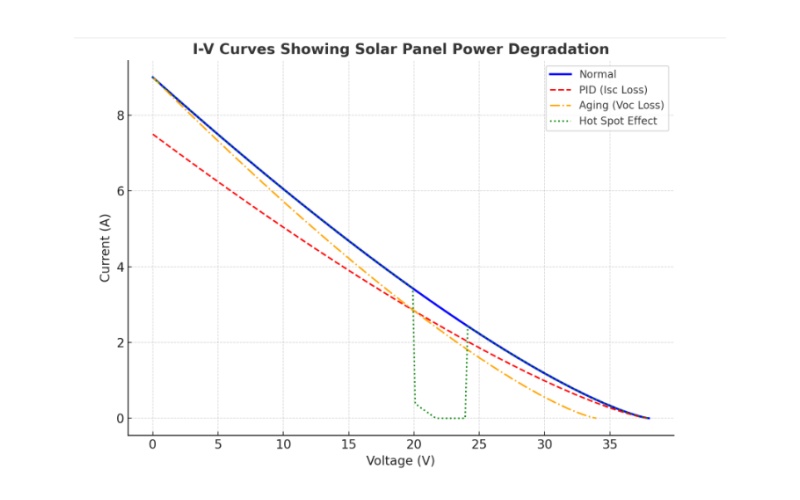
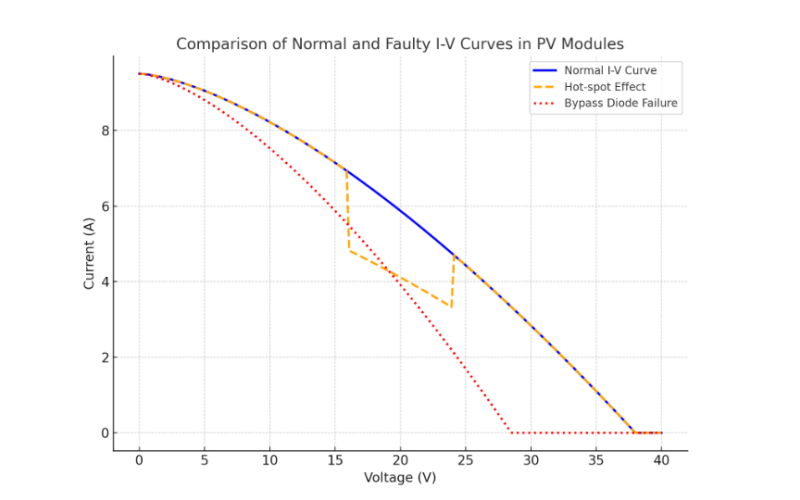
| Hot Spot Endurance | IEC 63202-3:2023 | Multi-shadow simulation now required |
| Damp Heat Aging | 2000h at 85°C/85% RH | Extended exposure protocols |
Safety & Compliance
Insulation resistance >40 MΩ
Withstands 6,000 Pa mechanical load (snow/wind)
PID resistance: <5% degradation after 96h testing
Section 4: Practical Implementation
For Installers & Procurement Teams:
Prioritize 100% EL scanning for >100kW installations (budget ≈0.2% of project cost)
Reject batches with >3% negative power tolerance
Use Maxitech’s automated pan-tilt systems for rapid farm scans (6+ panels/minute)
Maintenance Best Practices:
Annual EL thermography for plants >3 years old
Compare degradation rates against manufacturer warranties
Conclusion
While preliminary visual checks remain valuable, modern quality assurance demands EL validation. Integrate portable solutions like Maxitech’s field detectors during procurement, installation, and maintenance cycles to minimize lifetime yield losses.